

Redesigning Legacy Systems to Modern UI
ENTERPRISE DESIGN
MY ROLE
IMMEDIATE TEAM
UX Designer (Contractor)
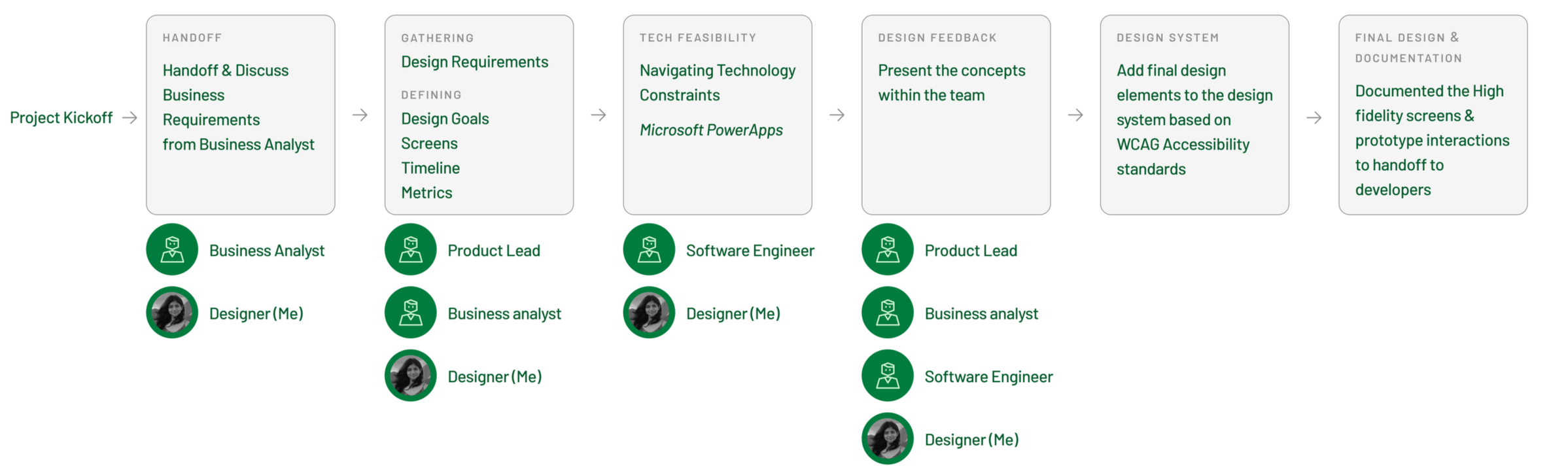
Product Lead, Business Analysts, Software Developers, Front-End Developers (Cross-Functional)
Fidelity Investments (client) with Yuj Designs
PROJECT DURATION (YEAR)
4 months (2024)
DESIGNED FOR
SUMMARY
CONTEXT
Fidelity was undergoing a strategic initiative to reduce costs and gain greater control over its proprietary compliance data. This involved migrating critical surveillance tools from a high-cost, external vendor platform (Nice ACTIMISE) to an in-house platform built on Microsoft Power Apps (low code platform).
KEY CHALLENGE
Compliance workflows were fragmented across multiple disparate platforms which increased operational latency, workflow friction, and the risk of compliance errors. The core challenge was to design a single, consolidated platform for all essential risk monitoring and compliance supervision tasks.
SOLUTION
I designed the Supervisory Dashboard, a key tool within the Supervisory Workstation (SPW), for supervisors to monitor and manage all associate compliance and risk activities. This unified experience streamlined complex regulatory workflows, directly supporting Fidelity's cost-saving objectives and regulatory obligations.
Note: This project is confidential. All screens and data points have been redesigned or abstracted to share the process and design solutions without disclosing proprietary information.
WHAT IS SUPERVISORY DASHBOARD?
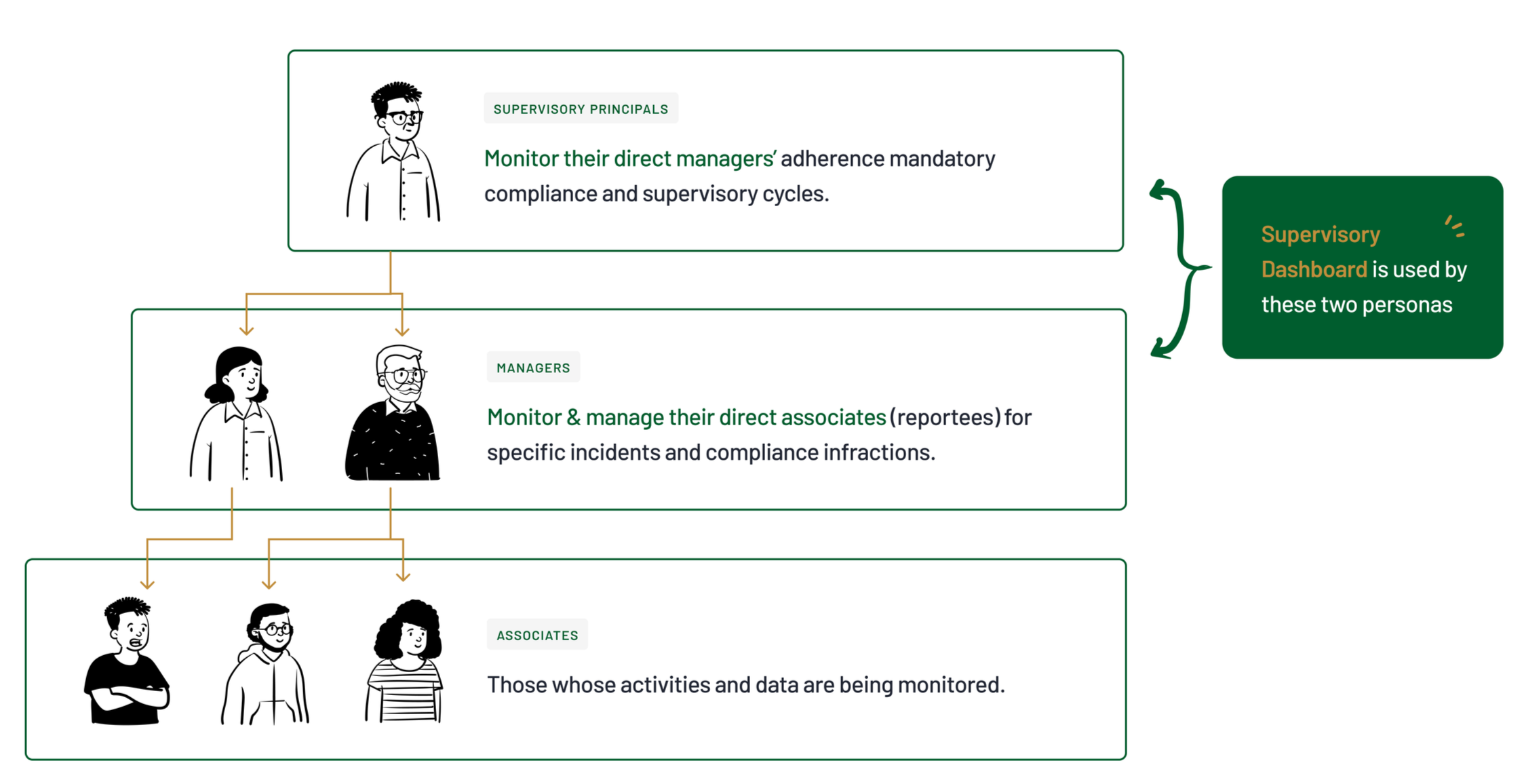
Supervisory Dashboard is the internal compliance tool within the SPW suite, designed to identify, priortize and manage risk at the correct management level from managers to supervisory principals.
This enterprise compliance tool serves the two primary personas.
UNDERSTANDING THE PROBLEM
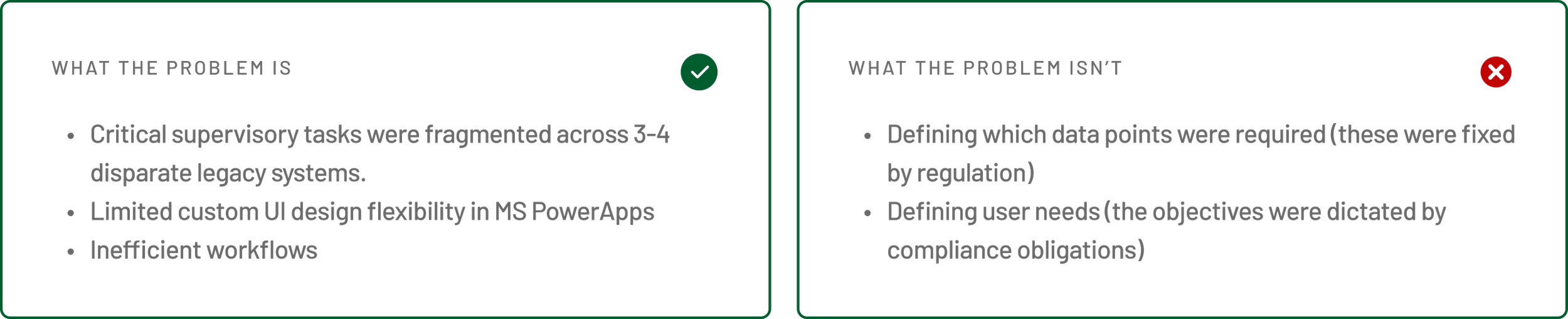
To set the scope, this project was primarily a functional and workflow redesign driven by a platform migration mandate, rather than a user research initiative.
The redesign aimed to reduce operational costs through vendor consolidation while improving usability and workflow efficiency for compliance officers managing day-to-day supervision tasks.
CROSS-COLLABORATION PROCESS
SOLUTION OVERVIEW
We redesigned the onboarding process to transform the experience from effort-before-value to immediate ROI demonstration and increase platform adoption.
SOLUTION 1/2
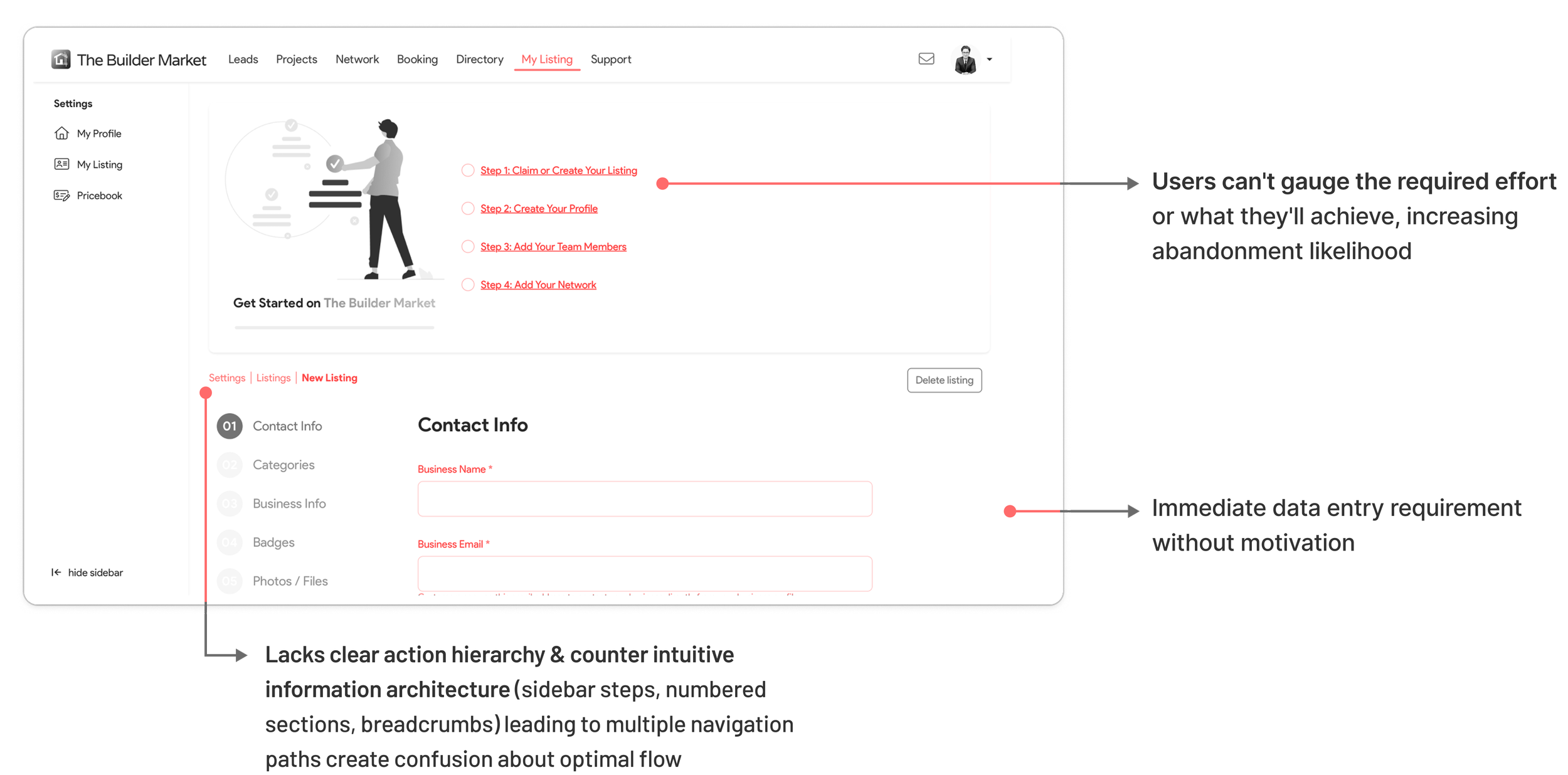
Before
Missing Onboarding and Progress Guidance
Users landed on listing forms after signup without platform introduction or completion expectations. Conflicting navigation elements and no progress indicators created uncertainty about required effort, driving abandonment.
After
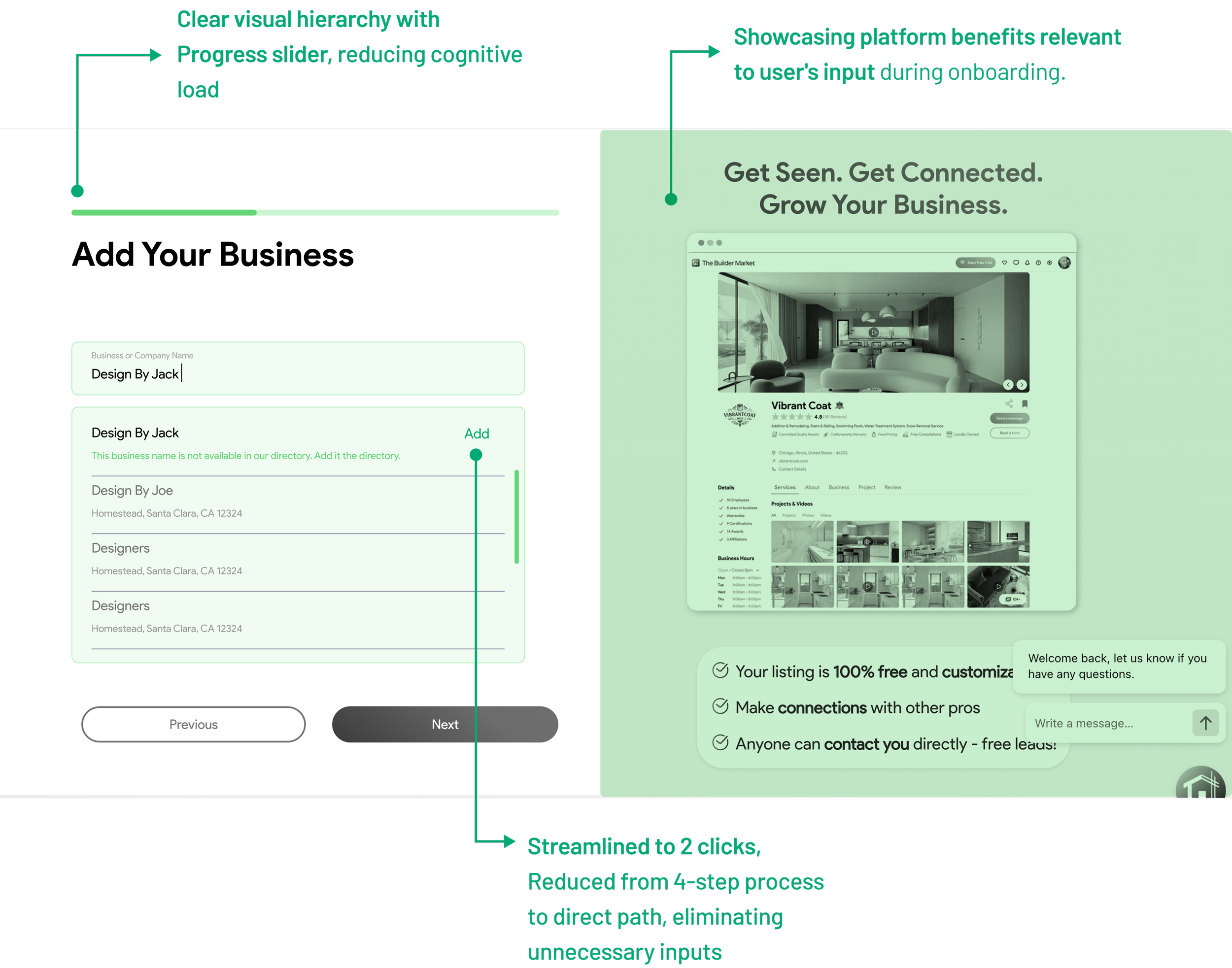
Minimal data collection to demonstrate platform value
Integrated marketing content strategically while collecting minimal essential data. Added progress indicators, logical grouping, and progressive disclosure—additional service categories appear only after adding the first one, reducing cognitive overload.

SOLUTION 2/2
Before
Excessive Unnecessary Friction in Search Process
The modal lacked actionable button copy, forcing users to read through the extensive content before discovering how to proceed.

After
Contextual Value Demonstration
Users see relevant value propositions based on their business input, with clear progress indicators guiding them through minimal required steps before accessing the dashboard.
07. REFLECTION
Proposing structure in startup environments proved essential.
By proposing ownership of the design driven metric and aligning it with business goals early provided structure to an otherwise open-ended internship and ensured my design decisions connected to measurable outcomes.
Focus on impact over perfection.
Limited resources forced prioritization of foundational UX decisions over visual polish, focusing on patterns that would drive measurable business impact.


Integrating Two-Wheeler Vehicle Service Workflows for Optimal Operations and Faster Delivery
SERVICE DESIGN
ENTERPRISE DESIGN
NEXT PROJECT
Shipped • 2023